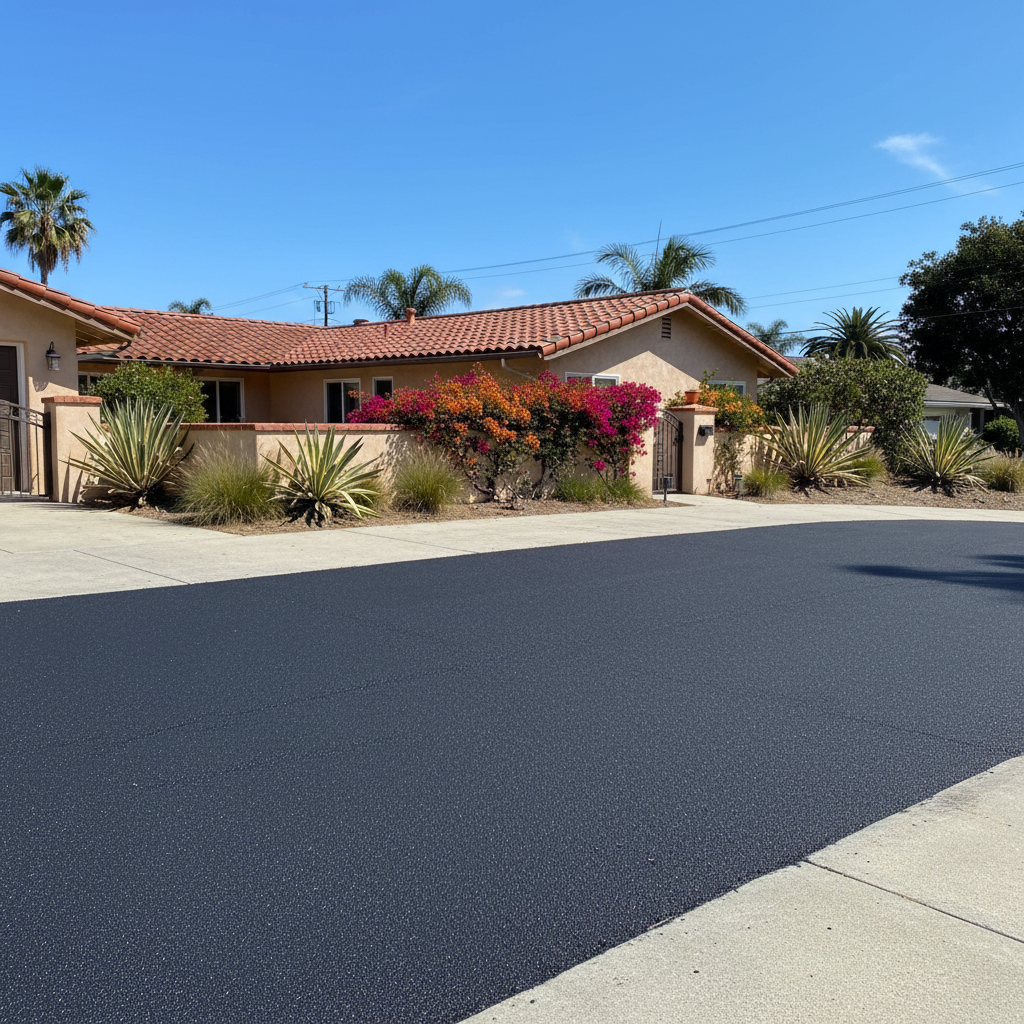
You've just had some asphalt patching done, maybe it was a pothole in your driveway or a cracked section of your parking lot. Great. That's the first step to keeping your property safe and looking good. But here's the thing: a patch isn't a permanent fix if you don't treat it right. It's like putting a new tire on your car and then never checking the pressure. You're just asking for trouble down the road.
Extending the Life of Your Asphalt Patch
Once we've laid down that fresh asphalt, it needs a little TLC to really bond and hold up. The first thing you need to do is keep traffic off it for a bit. I know, it's a pain, especially if it's your main driveway, but it's crucial. For most patches, you're looking at 24-48 hours before light traffic, and maybe a few days for heavy vehicles. The hotter it is, the longer it takes to cure properly. Here in Laguna Beach, with our mild climate, it usually cures pretty well, but those hot summer days can make it take a bit longer to fully harden.
Another big one is proper drainage. Our hillsides and coastal environment mean water runoff is always a factor. If water is constantly pooling on or around your patch, it's going to undermine it. Make sure gutters are clear and any landscaping isn't directing water onto the asphalt. A good patch should be slightly higher than the surrounding pavement to help shed water, but if the overall grade is bad, even the best patch will struggle.
Finally, consider sealcoating. Once your patch has fully cured – usually after about 30-90 days, depending on the type of asphalt and weather – a good sealcoat will protect it from UV rays, water penetration, and oil spills. It's like sunscreen for your pavement, and it makes the patch blend in a lot better with the older asphalt, too.
Regular Maintenance: Your Pavement's Best Friend
Maintaining your asphalt isn't a one-and-done deal. It's an ongoing process if you want it to last. Here's what I tell my clients:
- Keep it Clean: Sweep off dirt, leaves, and debris regularly. Organic matter holds moisture, and moisture is asphalt's enemy. Plus, sharp gravel or small stones can get ground into the surface by tires, causing wear.
- Watch for Spills: Oil, gas, and other chemicals are terrible for asphalt. They break down the binder that holds the aggregate together. Clean up any spills immediately with an absorbent material. Don't let them sit.
- Trim Those Edges: If you have grass or weeds growing along the edges of your asphalt, trim them back. Roots can grow under the pavement and cause cracks, and vegetation traps moisture.
- Inspect Seasonally: Just like you check your roof after a big storm, take a walk around your asphalt every few months. Look for new cracks, soft spots, or areas where the patch might be settling.
Warning Signs: When to Pay Closer Attention
Your asphalt will tell you when it's in trouble, you just need to know what to look for. Don't ignore these signals:
- New Cracks Around the Patch: If you see spiderweb cracking or linear cracks forming around the edges of your patch, it could mean the sub-base isn't stable, or the patch isn't bonding well.
- Soft Spots or Depressions: If you walk across the patch and it feels spongy, or you see tire indentations that don't disappear, that's a big red flag. It means the asphalt isn't curing properly or there's a problem with the material underneath.
- Potholes Reforming: If the original pothole starts to reappear, or new ones form right next to the patch, you've got a bigger issue than just a surface problem.
- Water Pooling: Any area where water consistently collects after rain is a problem. It'll lead to accelerated deterioration, especially with our coastal humidity.
- Loose Aggregate: If you see small stones coming loose from the surface of the patch, it means the binder is failing.
When to Call a Professional (Like Us!)
Look, you can do a lot of preventative maintenance yourself, and I encourage it. But there are times when you really need to bring in the pros. If you're seeing any of those major warning signs I just mentioned, it's time to pick up the phone. Don't wait until a small problem becomes a huge, expensive headache.
If you're unsure about the extent of damage, or if you're noticing recurring issues in the same spot, we can come out and assess it. Sometimes, a patch is just a temporary band-aid for a deeper structural problem. We've seen it all, from issues with the underlying soil (especially with our varied soil types around Laguna, from sandy areas near the beach to more clay-like soils inland) to drainage problems that need a more comprehensive solution.
At Aim High Paving, we're not just about laying asphalt; we're about providing lasting solutions. We'll give you an honest assessment and recommend the best course of action, whether it's another patch, a larger repair, or something else entirely. Taking care of your asphalt now saves you money and hassle down the road. It's that simple.