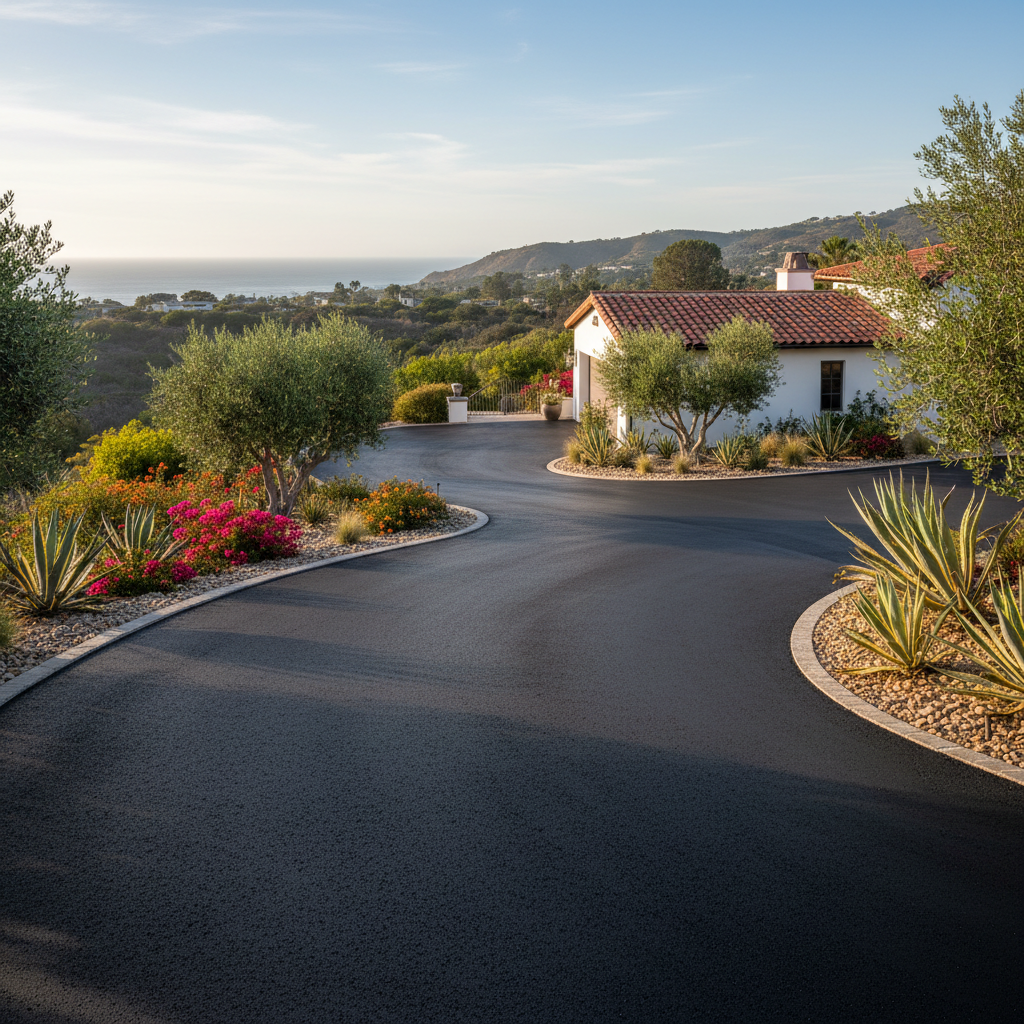
You've got a beautiful home here in Laguna Beach, and naturally, you want your driveway to look just as good. Makes sense, right? But when it comes to asphalt paving, our local weather isn't always as simple as it seems. People often think Southern California means perfect paving weather all year, and while we are lucky, some times are definitely better than others for getting the job done. Plus, there are specific things you need to watch out for to protect your investment.
When's the Best Time to Pave in Laguna?
Honestly, the sweet spot for asphalt paving around here usually runs from late spring through early fall. Think May, June, July, August, September. Why then, you ask? Because asphalt needs consistent, warm temperatures to cure correctly. When we lay down hot asphalt, it's a liquid mix of aggregate and bitumen. As it cools, it hardens and compacts. If it cools too fast, or if the ground underneath is too cold, you won't get the same strong, flexible bond. That leads to problems down the road – literally.
We're looking for ambient air temperatures that stay above 50°F, and ideally, ground temperatures that are warm too. During those summer months, we get plenty of sun, and the ground heats up nicely. That lets the asphalt cure slowly and thoroughly, giving you a much more durable surface. That's the goal.
What Weather Conditions Mess Things Up?
Rain is the big one, obviously. You simply can't pave in the rain, period. Water interferes with the asphalt mix, causing it to cool unevenly and preventing proper compaction. It can also mess with the sub-base, which is the foundation of your driveway. If the sub-base is wet and unstable, your asphalt won't last. So, if there's rain in the forecast, we're rescheduling. It's just not worth rushing it and doing a shoddy job.
Then there's the humidity. While not as critical as rain, extremely high humidity can sometimes slow down the curing process. But honestly, here in Laguna, our humidity levels are usually pretty manageable for paving, especially compared to inland areas. The bigger concern for us is fog, especially in the mornings, which can bring moisture and cooler temps. We often have to wait for it to burn off before we can start. That's just part of working on the coast, you know?
Extremely hot days can also be a challenge, believe it or not. While asphalt needs warmth, if it's scorching hot – like those Santa Ana wind days where it hits 90°F+ – the asphalt can remain too soft for too long. This makes it harder to compact correctly and increases the risk of tracking. We're always monitoring conditions to make sure we're laying it down right.
Protecting Your Driveway Year-Round
Once your asphalt is down and cured, your job isn't over. You've got to protect that investment. Here are a few things I tell all my clients:
- Sealcoating: This is your first line of defense. Think of it like sunscreen for your driveway. It protects against UV rays, water penetration, and oil spills. I recommend getting it done every 2-3 years, depending on traffic and sun exposure. It keeps the asphalt flexible and prevents those tiny surface cracks from becoming bigger problems.
- Clean Up Spills Immediately: Oil, gas, and other automotive fluids are asphalt's worst enemies. They break down the binder in the asphalt, turning it soft and crumbly. Keep a bag of cat litter or absorbent material handy and clean up any spills as soon as they happen.
- Watch for Cracks: Even with the best paving and sealcoating, cracks can appear. It's just part of asphalt's life cycle. The key is to address them quickly. Small cracks can be filled with a good quality crack filler. If you let them go, water gets in, expands when it freezes (not a huge problem here in Laguna, but it can still cause damage), and erodes the sub-base.
- Edge Protection: If you've got a new driveway, try to avoid driving right on the very edge for the first few months. The edges are the weakest part of the pavement and need time to fully harden. If you've got a landscape border or curbing, that helps a lot.
- Heavy Loads: Try to avoid parking heavy RVs or commercial trucks on your residential driveway for extended periods. The constant weight can cause depressions or cracking, especially if the sub-base wasn't designed for that kind of load.
Look, your driveway is a big part of your home's curb appeal and functionality. By understanding how our unique Laguna Beach climate affects asphalt and taking a few proactive steps, you can keep it looking great and performing well for years. If you're thinking about a new driveway or need some maintenance, give Aim High Paving a call. We're always happy to chat about what's best for your specific situation.