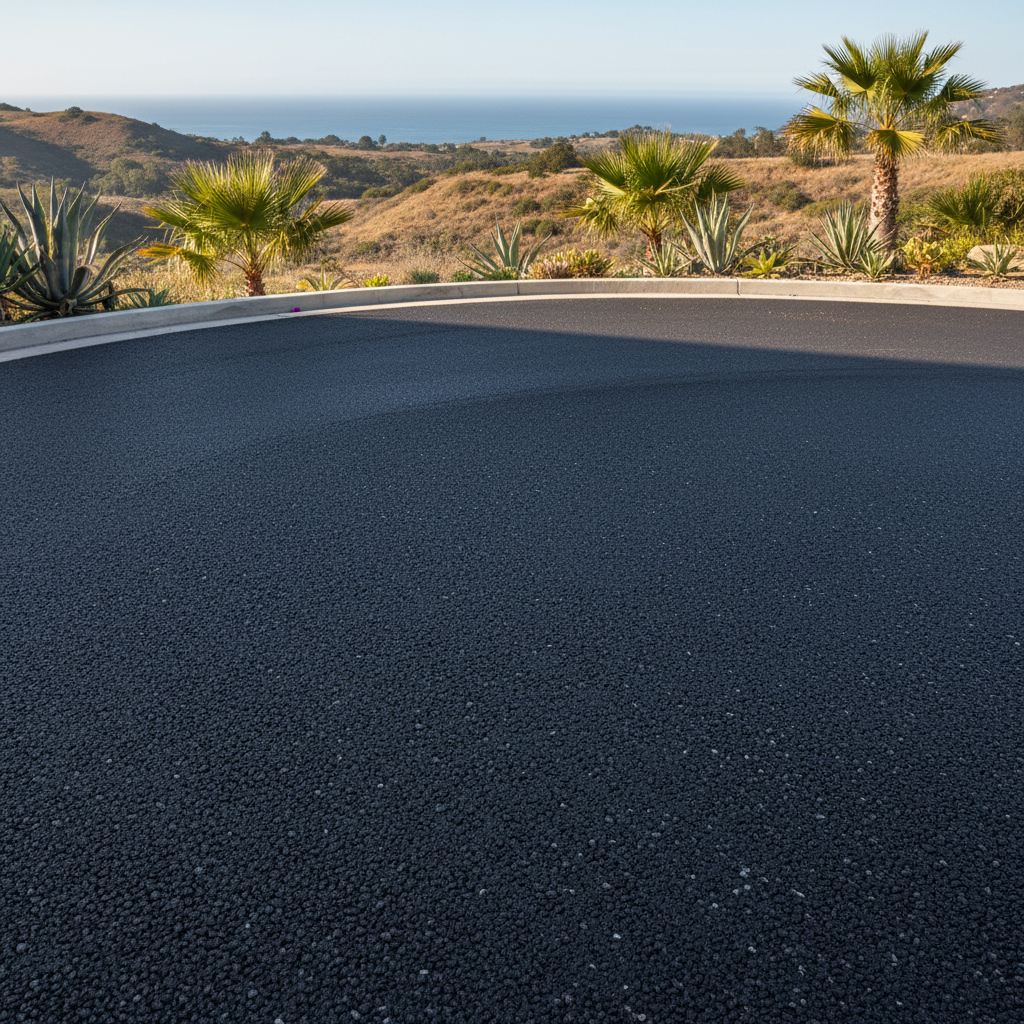
You've got questions about your asphalt, and I've heard 'em all. As a contractor working right here in Laguna Beach, I get a lot of the same concerns from folks trying to figure out what's best for their driveways, patios, or even private roads. So, let's just dive right into the most common things you ask me.
How long does an asphalt driveway really last around here?
That's usually the first thing people want to know, and it's a good question. In Laguna Beach, with our coastal climate and sometimes challenging terrain, you're generally looking at 15 to 25 years for a well-installed and properly maintained asphalt driveway. Now, that's a pretty wide range, right? The biggest factors are the quality of the initial installation – that means proper base preparation, good drainage, and the right asphalt mix – and then how well you keep up with it. If you've got heavy vehicles constantly driving over it, or if it's on a steep slope like some of the properties up in the hills near Top of the World, you might see it wear a bit faster. But with regular sealcoating and prompt repairs, you can definitely push it towards that 25-year mark.
What's the deal with cracks? Are they normal, and when should I worry?
Cracks are a fact of life with asphalt, especially out here where we get some temperature swings and ground movement. Small hairline cracks, especially after the first year or two, aren't usually a huge deal. Think of them like fine lines on an old friend – they tell a story. But you absolutely need to worry when those small cracks start connecting, forming patterns like alligator skin, or if they get wide enough to stick a credit card in. That's when water can really get down into your base layer, and once that happens, you're looking at bigger problems like potholes and complete pavement failure. My advice? Get those cracks sealed as soon as you notice them widening. It's way cheaper to seal a crack than to replace a whole section of your driveway.
Do I really need to sealcoat my driveway? How often?
Yes, you really do. Sealcoating is like sunscreen for your asphalt. It protects it from the sun's UV rays, which can dry out the asphalt binder and make it brittle, leading to more cracking. It also provides a barrier against water, oil, and gas spills. For most residential driveways in Laguna, I'd recommend sealcoating every two to three years. If your driveway gets a lot of sun exposure all day, or if it's a high-traffic area, you might lean towards every two years. If it's mostly shaded, you might stretch it to three. It's a small investment that pays off big time in extending the life of your pavement.
My driveway has a pothole. Can you just patch it?
Sometimes, yes, we can just patch it. If it's a small, isolated pothole and the surrounding asphalt is still in good shape, a patch can be a perfectly good temporary or even long-term fix. We'll cut out the damaged area, prepare the base, and fill it with new asphalt. However, if you've got multiple potholes, or if the pothole is part of a larger area of widespread cracking and deterioration, then patching is just putting a band-aid on a bigger wound. In those cases, I'll tell you straight up that you're probably looking at a more extensive repair, like an overlay or even a full replacement of that section. We'll always assess it honestly for you at Aim High Paving.
What's the difference between an overlay and a full replacement?
This is a common one. An overlay is when we put a new layer of asphalt right on top of your existing, but still structurally sound, asphalt. We'll prep the surface, fix any major cracks or potholes, and then lay down a fresh coat. It's generally less expensive and quicker than a full replacement. You can usually do an overlay once, maybe twice, if the original base is still solid. A full replacement, on the other hand, means we tear out all the old asphalt, re-evaluate and often re-grade your base, and then install a brand new asphalt pavement from scratch. You go for a full replacement when your existing asphalt is completely shot – widespread cracking, major potholes, drainage issues, or a failing base. It's a bigger job, but it gives you a brand new foundation.
My driveway always has standing water after it rains. Is that normal?
Absolutely not. Standing water, or