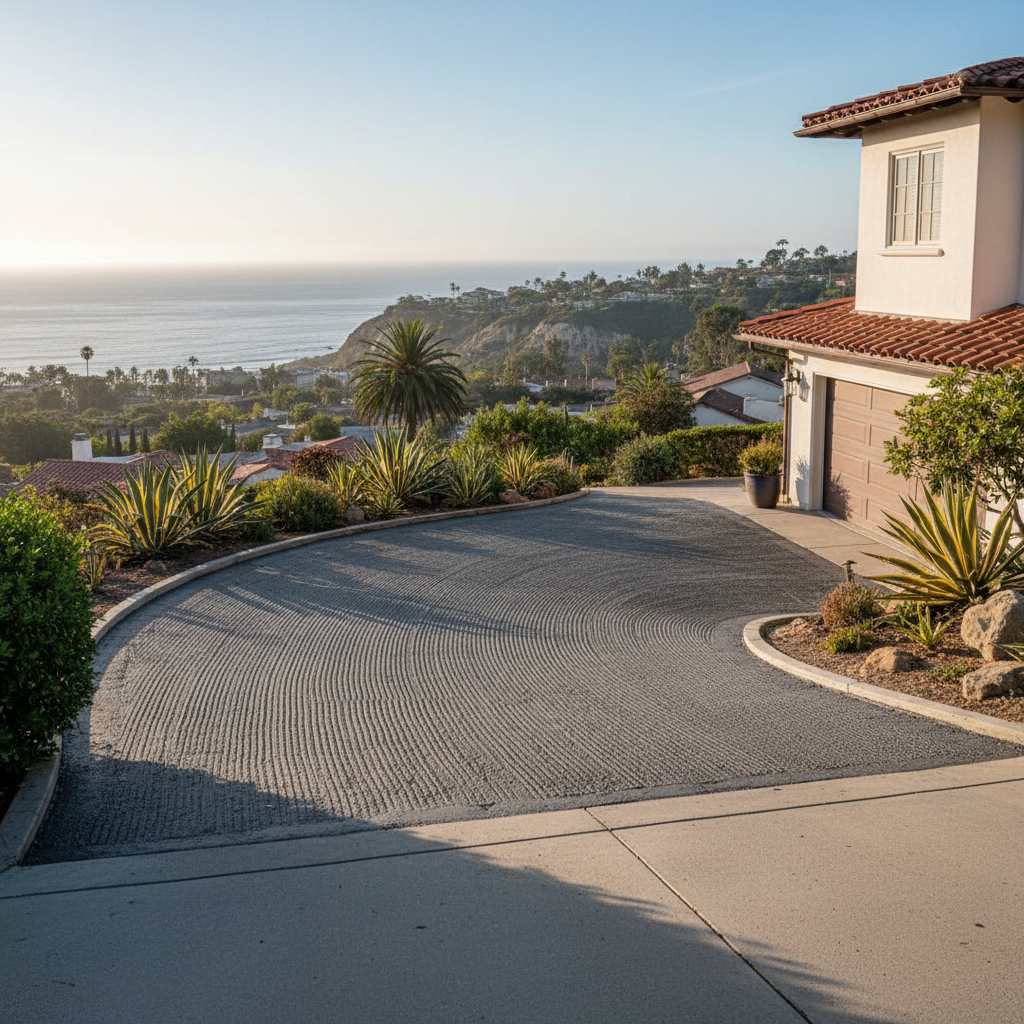
Alright, let's talk about asphalt milling. If you've got a driveway or a parking lot that's seen better days, milling is often the smart first step before you lay down new asphalt. It's basically grinding off the top layer of your existing pavement. But here in Laguna Beach, with our unique climate, you can't just pick any old day to get this done. Timing really matters if you want the job to last and your investment to pay off.
When to Schedule Your Milling Project
You'd think any dry day would work, right? Not exactly. While milling itself can happen in a wider range of temperatures than, say, laying hot asphalt, the work that comes after it is critical. My advice? Aim for spring or fall. These are your sweet spots.
- Spring (March to May): The ground is usually drying out from any winter rains, but it's not yet scorching hot. This gives us a good, stable base to work with. Plus, the days are getting longer, which means more daylight hours to get the job done efficiently.
- Fall (September to November): After the summer heat, the ground has had a chance to cool down. We avoid those intense summer temperatures that can make the subsequent paving process tricky. It's also before the heavier winter rains typically set in.
What you want to avoid are the extremes. Trying to mill in the dead of winter when we might get a surprise downpour, or in the peak of summer when the ground is super hot, can cause issues. The underlying soil conditions around here, especially in some of the canyon areas, can be tricky. You don't want to expose that sub-base to heavy moisture right before you're about to pave.
Weather Conditions That Affect the Work
Okay, so you've picked your season. Now let's get specific about the day-to-day weather. For milling, a dry day is paramount. We're talking about heavy machinery, and you're essentially creating a new surface. If it's wet, you're going to have mud, and that's not just messy; it compromises the base.
Temperature also plays a role, even for milling. While the asphalt itself isn't being heated, the material we're grinding off is going to be recycled. If it's too cold, the asphalt can become brittle, making it harder to mill cleanly. If it's too hot, especially if the asphalt is already soft from age, it can gum up the machinery. We're looking for that Goldilocks zone: not too hot, not too cold.
Wind isn't usually a deal-breaker for milling, but it can make things dusty. We always take precautions to manage dust, but a really blustery day can just make the whole process more challenging for everyone involved. We're not usually dealing with hurricane-force winds here, but it's something to consider.
Protecting Your Investment Year-Round
Once you've got that fresh, smooth asphalt down after milling and paving, you want it to last, right? It's not a set-it-and-forget-it kind of deal, especially with our coastal environment. Here's what I tell folks:
- Sealcoating: This is your first line of defense. Think of it like sunscreen for your asphalt. It protects against UV rays, water penetration, and even minor oil spills. I recommend sealcoating every two to three years. It's a small cost for a big return on pavement life.
- Crack Sealing: You'll see hairline cracks appear over time. That's normal. The key is to address them quickly. Water is asphalt's worst enemy. It gets into those cracks, expands when it freezes (not a huge issue here, but it does happen on rare cold nights), and washes away the base material. Seal those cracks up as soon as you see them.
- Drainage: This is huge. Make sure water isn't pooling on your asphalt. If you've got areas where water sits after a rain, that's a problem waiting to happen. Proper drainage was likely addressed during the milling and paving process, but keep an eye on it. If you see new issues, get them checked out.
- Keep it Clean: Sweep off debris, leaves, and dirt regularly. This prevents organic matter from breaking down on the surface and causing issues. Plus, it just looks better.
- Watch for Oil & Gas Spills: If you have a leaky car, get it fixed. Oil and gas are petroleum-based, just like asphalt, and they'll break down your pavement over time. Clean up spills immediately with an absorbent material.
Look, your asphalt is a big investment. You want it done right, and you want it to last. That's why Aim High Paving always takes the local conditions into account. We've been working on driveways and parking lots all over Laguna Beach for years, from the village to the hills, so we know what our local climate dishes out. Don't cut corners on timing or maintenance, and your asphalt will serve you well for a long time.