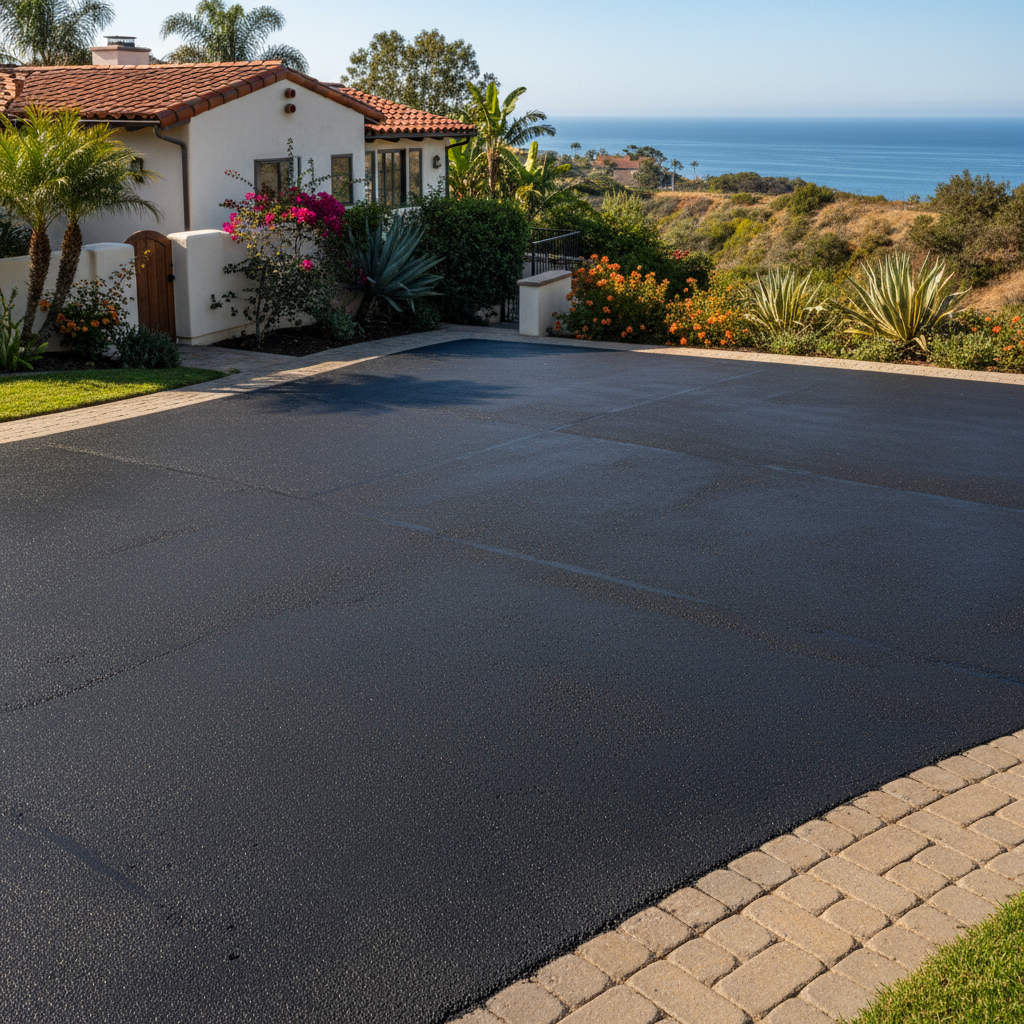
You've already invested in getting your asphalt fixed, which is a smart move. But honestly, the job doesn't really end when my crew packs up and leaves. To truly get your money's worth—and keep that pavement looking sharp and working right for years—you've got to think about maintenance. Especially here in Laguna Beach, where the sun, salty air, and those occasional heavy downpours can be brutal on asphalt, a little proactive care really goes a long way.
Making Your Asphalt Repairs Last
Keeping your asphalt repairs in good shape for a long time really boils down to two things: protecting them from the elements and stopping small problems before they turn into huge headaches. It's kind of like taking care of your car, isn't it? Regular oil changes keep it running smoothly for ages.
- Sealcoating is Your Best Friend: This is probably the most effective thing you can do, no contest. Sealcoating puts a protective layer over your asphalt. This shields it from the sun's harsh UV rays, which can dry out the binder and make it brittle. It also acts as a barrier against water, oil, and other chemicals that can break down the surface. For new asphalt, you typically want to wait about 6 to 18 months for it to fully cure before that first sealcoat. After that, I usually tell folks to sealcoat every 2 to 3 years. That's especially true in a coastal environment like ours, where UV exposure is constant and salt air can really speed up oxidation.
- Don't Ignore Small Cracks: Even those tiny hairline cracks, if you just leave them alone, are basically an open invitation for water to seep into the sub-base. Once water gets in there, it can erode the foundation. That leads to bigger cracks and, eventually, potholes. We're talking about Southern California's intense sun causing rapid oxidation here, drying out that flexible binder that keeps pavement crack-free. So, when you spot those small cracks, get 'em sealed! Crack sealing involves filling them with a specialized sealant. This blocks water from getting in and keeps the driveway's integrity intact.
- Ensure Proper Drainage: Water is asphalt's absolute worst enemy, full stop. If you have spots where water just sits after it rains, you're going to have trouble. Make sure your asphalt has a good slope to help water run off, and always keep those drainage channels clear. This is super important with our hilly terrain and the occasional downpours we get here in Laguna.
What Regular Maintenance Looks Like
Regular maintenance isn't rocket science, but it does need a little bit of attention. It's really all about catching issues early, you know?
- Routine Inspections: I tell all my clients to do a quick walk-around of their asphalt surfaces at least once a quarter. Look for new cracks, faded areas, or any spots where water might be collecting. After a heavy rain, pay extra attention to the drainage—that's when you'll really see what's going on.
- Keep it Clean: Sweep away dirt, leaves, and debris regularly. All that accumulated organic stuff can trap moisture, making things deteriorate faster. Plus, it just looks better, doesn't it?
- Address Spills Immediately: Oil, gas, and other chemicals can soften and break down asphalt. Clean up any spills as soon as you can to prevent long-term damage.
Warning Signs of Problems
Your asphalt will definitely let you know when it needs help; you just have to know what to look for. Don't wait until it's a huge mess, please.
- Alligator Cracking: This looks like a network of interconnected cracks, kind of like an alligator's skin. It's a sign that the sub-base is failing and usually means you'll need more extensive work than just a surface patch.
- Potholes: These are pretty obvious, but they always start small. A pothole typically happens when water gets into cracks, causing the sub-base to deteriorate and eventually collapse. If you see a small depression or a soft spot, consider that a warning sign.
- Fading and Graying: New asphalt is black because of the binder. Over time, UV rays break down this binder, making the asphalt fade to gray. This means it's losing its flexibility and becoming brittle, which makes it more likely to crack.
- Standing Water: If you see puddles forming after it rains, that's a clear sign of drainage issues or depressions in the pavement.
- Soft Spots or Rutting: If parts of your asphalt feel soft or spongy underfoot, especially on hot days, or if you see tire paths sinking, it could point to a weakened base.
- Crumbling Edges: The edges of your asphalt, particularly along driveways or parking lots, can start to break apart. This usually means you'll need to remove and replace the affected asphalt.
When to Call a Professional
While some minor crack filling can be a DIY job, knowing when to bring in the pros can save you a lot of money and hassle in the long run. Here's my rule of thumb:
- Cracks Wider Than a Quarter-Inch: If cracks are wider than about a quarter of an inch, or if they're deep, you really need professional attention. These cracks let in too much water and need proper sealing to prevent further damage to the base.
- Alligator Cracking or Widespread Damage: As I mentioned, alligator cracking signals a base problem. If you see this, or if more than 30% of your asphalt has interconnected cracks, it's time for an expert assessment.
- Potholes That Keep Coming Back: If you're constantly patching the same pothole, it means there's an underlying issue with the base or drainage that needs a professional diagnosis and repair.
- Soft Spots, Sinking, or Heaving: Any signs of the asphalt shifting, sinking, or buckling point to serious base issues or drainage problems that absolutely require professional intervention.
- Drainage Problems: If you have persistent pooling water that isn't easily fixed by just clearing debris, a professional can assess and correct the grading or install proper drainage solutions.
For us here at Aim High Paving, we're always happy to take a look and give you an honest assessment. Catching these problems early is key to extending the life of your asphalt and avoiding much more expensive repairs down the road. Seriously, don't let a small crack turn into a full-blown replacement project!