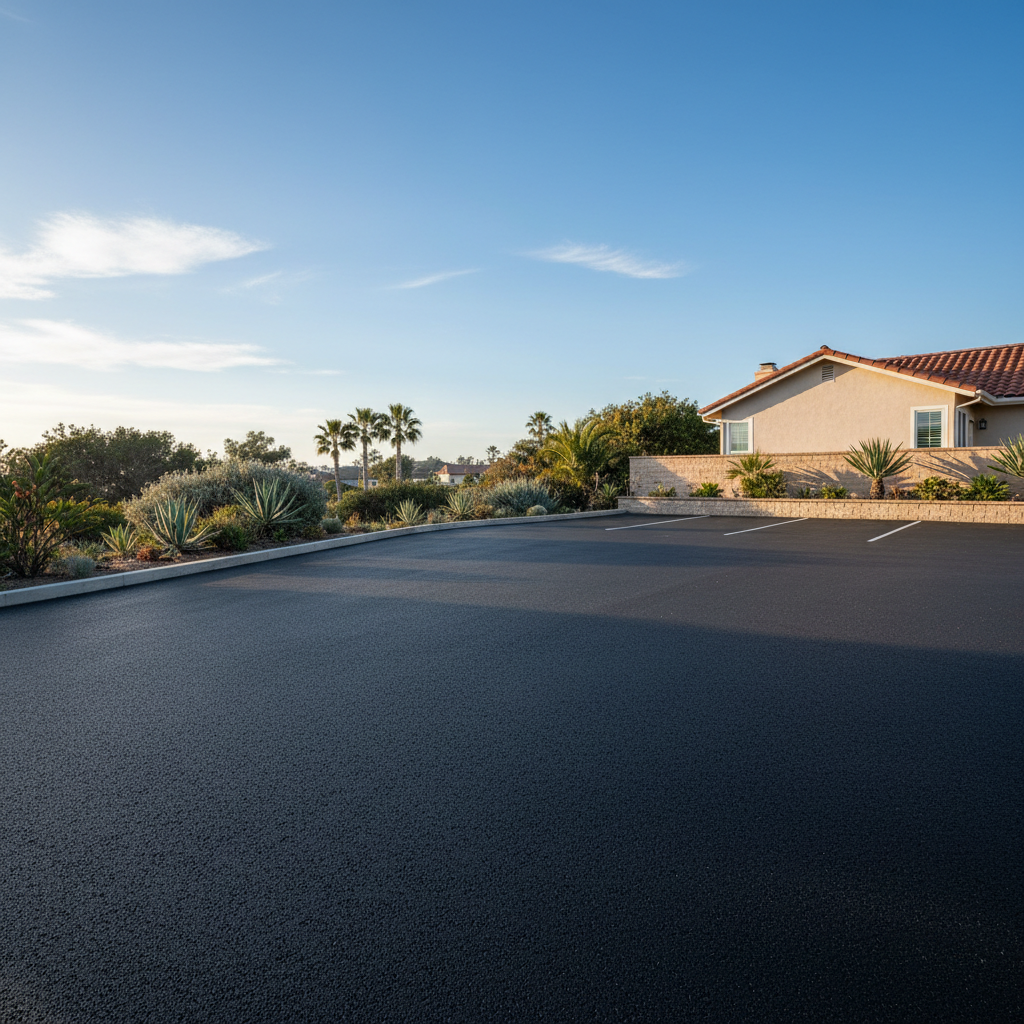
You've got a parking lot, right? Maybe it's for your business, an apartment complex, or even a private drive. Whatever it is, that asphalt isn't just a place for cars; it's part of your property's first impression and a significant investment. You wouldn't neglect your roof or your building's foundation, so why let your paving go to pot?
Here in Laguna Beach, we've got some specific challenges. That beautiful sunshine? It's brutal on asphalt. The ocean air? It brings salt and moisture. And don't even get me started on the occasional heavy rains that can wash away poorly maintained surfaces. Knowing how to properly maintain your parking lot isn't just about aesthetics; it's about extending its life and saving you a ton of money down the road.
Extend Your Paving's Life: It's Easier Than You Think
Look, asphalt isn't indestructible. It's a flexible material, but it needs a little love to withstand the elements and constant traffic. The goal is to keep water out and protect it from UV rays and oxidation. That's really the core of it.
- Sealcoating is Your Best Friend: Think of sealcoat as sunscreen for your asphalt. It's a protective layer that fends off UV damage, water penetration, and even oil and gas spills. For commercial lots, especially those getting a lot of sun exposure like the ones down in South Laguna, I usually recommend sealcoating every 2-3 years. If it's a lower traffic area, you might stretch it to 3-5 years. Don't wait until it looks faded and grey; by then, the damage has already started.
- Crack Sealing is Critical: Those little hairline cracks? They're not just cosmetic. They're invitations for water to get underneath your asphalt. Once water gets in, especially with our occasional temperature swings, it expands and contracts, leading to bigger cracks, potholes, and eventually, total pavement failure. You want to fill those cracks as soon as you see them. It's a small repair that prevents a huge headache.
- Good Drainage Matters: This is huge, especially with our hilly terrain and sudden downpours. If water is pooling on your lot, it's a problem. Proper grading and drainage systems (like catch basins and French drains) are essential. If water sits, it softens the base layer, and your asphalt will fail prematurely. Make sure your drains are clear of debris, leaves, and sand.
Regular Maintenance: What You Should Be Doing
Beyond the big stuff like sealcoating, there's day-to-day or week-to-week maintenance that makes a difference.
- Keep it Clean: Sweep or blow off debris regularly. Leaves, dirt, and trash can trap moisture and accelerate deterioration. Plus, a clean lot just looks better, right?
- Address Spills Immediately: Oil, gas, and other chemicals can break down the asphalt binder. If you see a spill, clean it up quickly with an absorbent material.
- Trim Landscaping: Roots from trees and shrubs can grow under your pavement and cause cracks or buckles. Keep vegetation trimmed back from the edges of your lot.
- Check for Potholes: As soon as you see a pothole forming, get it patched. They only get bigger and more dangerous. A good, permanent patch done by a professional will prevent further damage.
Warning Signs: Don't Ignore These
Your parking lot will tell you when it's in trouble. You just need to know what to look for.
- Extensive Cracking: Beyond a few hairline cracks, if you're seeing alligator cracking (lots of interconnected cracks that look like alligator skin), that's a sign of significant base failure. This usually means water has gotten under the surface and weakened the foundation.
- Potholes and Depressions: These are obvious signs of trouble. Potholes are dangerous for drivers and pedestrians, and depressions mean water is pooling.
- Fading and Discoloration: If your asphalt looks grey instead of black, it means the top layer is oxidizing and losing its flexibility. This makes it brittle and more prone to cracking.
- Standing Water: After a rain, if you've got puddles that don't drain within a few hours, you've got a drainage problem that needs addressing.
- Soft Spots: If you walk across your lot and feel soft or spongy areas, that's a serious indicator of base failure.
When to Call a Professional
Look, some things you can handle yourself, like sweeping. But for the heavy lifting, you need pros. You should definitely call Aim High Paving if you see any of those warning signs I just mentioned.
- Major Cracking or Alligatoring: This isn't a DIY job. We've got the right equipment and materials to properly repair or replace sections.
- Potholes: While small temporary patches exist, a professional repair will be more durable and last longer.
- Drainage Issues: If you've got standing water, we can assess the grading, install new drains, or repair existing ones.
- Sealcoating: This is best left to the experts. We ensure proper surface prep, even application, and the right product for our specific climate and traffic.
- Resurfacing or Replacement: If your lot is truly shot, you'll need a full overlay or reconstruction. That's a big project that requires serious expertise.
Don't wait until your parking lot is a minefield of potholes and cracks. Regular, proactive maintenance is always cheaper than reactive, emergency repairs. A well-maintained lot looks good, lasts longer, and keeps your property value high. If you're seeing any of those warning signs, give us a call. We're here to help you keep your Laguna property looking its best.